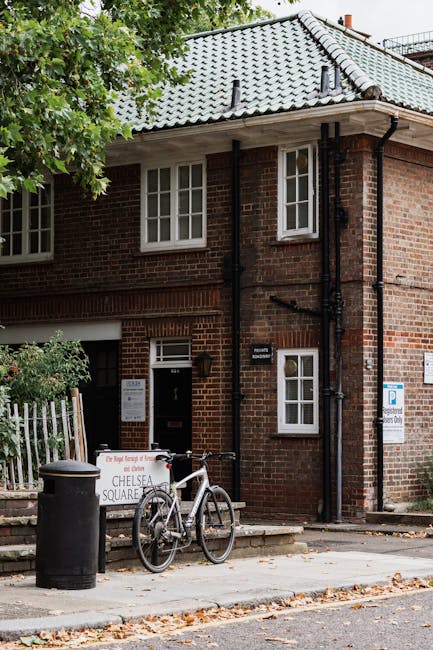
Sloane Square end of tenancy cleaning tips Chelsea: a practical guide for a smooth handover
If you are moving out near Sloane Square, you already know the finishing line can feel oddly stressful. Boxes everywhere, keys to hand back, one last sweep of the cupboards, and that nagging question: will the check-out clean be good enough? These Sloane Square end of tenancy cleaning tips Chelsea are designed to help you leave the property in solid shape, reduce avoidable disputes, and make the final inspection much less nerve-racking.
The good news is that end of tenancy cleaning is not mysterious. It is about restoring the home to a clean, orderly condition, with special attention to the areas that tenants often overlook: ovens, skirting boards, limescale, hidden dust, and the bits behind appliances. In a high-demand part of London like Chelsea, that detail matters. Let's make it simple, practical, and fair.
Why Sloane Square end of tenancy cleaning tips Chelsea Matters
End of tenancy cleaning is not just about looking tidy for a few minutes. It is about meeting the standard expected at check-out, especially where a landlord, letting agent, or inventory clerk is comparing the property against the move-in condition. That comparison is what drives most disputes, not whether the flat "looks fine" from the hallway.
In Sloane Square and the wider Chelsea area, properties often have high-spec finishes, older features, and a mix of delicate surfaces. Think marble-style worktops, polished taps, sash windows, or fitted joinery that gathers dust in awkward edges. These details can be surprisingly unforgiving. A rushed clean can leave fingerprints, grease, bathroom film, or small marks that stand out immediately under bright daylight.
Another reason these tips matter is timing. Tenancy cleans usually happen at the end of a busy move, when energy is low and everyone is trying to do three jobs at once. That is exactly when mistakes creep in. You miss the top of a wardrobe. You clean the bathroom mirror but not the sealant. The fridge gets wiped, but the rubber gasket is forgotten. Little things, yet they add up.
Practical truth: the more methodical you are, the less likely you are to face a re-clean request or a deposit deduction. That is the real value here.
How Sloane Square end of tenancy cleaning tips Chelsea Works
A proper end of tenancy clean works from the top of the property down and from dry areas into wet ones. That sounds obvious, but it stops you from cleaning the same surface twice. You dust high ledges, remove cobwebs, tackle bedroom and living area surfaces, and then finish with kitchens and bathrooms, where the heavier grime usually lives.
In practical terms, the process normally involves:
- de-cluttering and removing all personal items
- dusting and wiping all accessible surfaces
- deep cleaning kitchens, bathrooms, and utility spaces
- cleaning inside cupboards, drawers, and appliances
- vacuuming and mopping floors thoroughly
- spot-cleaning marks on doors, switches, and skirting boards
- checking the final result in daylight, if possible
If you are booking a professional clean, the job usually follows a checklist-based approach rather than a quick general tidy. That is where a specialist end of tenancy cleaning service can be helpful, because the aim is not just surface freshness but inspection-ready detail. If the property also needs extras such as a deep refresh or stubborn appliance work, a deep cleaning approach may be more suitable than a normal domestic clean.
To be fair, not every property needs the same intensity. A small furnished studio will need a different plan from a larger townhouse apartment with carpets, upholstery, and balcony doors that collect dust fast. The method should fit the property, not the other way around.
Key Benefits and Practical Advantages
Getting the clean right brings more than a tidy-looking flat. It can save time, reduce stress, and make the whole move feel more controlled. That matters when the week is already full of estate agent calls, removals, and address changes that somehow all happen at once.
- Better chance of a smooth checkout: A clean that matches the inventory standard is easier for everyone to sign off.
- Less risk of deductions: Missed grime, grease, or scale are common reasons for follow-up charges.
- Cleaner handover to the next occupant: It is simply a decent thing to do, and it reflects well on you.
- More efficient moving day: Once the property is clean, the final tasks feel manageable instead of chaotic.
- Improved landlord or agent impression: Small details can shape how your overall tenancy is remembered.
There is also a quieter benefit: peace of mind. When you know the oven is done, the bathroom grout looks respectable, and the skirting boards are not hiding dust, you stop second-guessing yourself. That calm is worth something.
If you are combining the move-out with a new tenancy elsewhere, pairing it with a move-in cleaning plan for the next property can make the transition much less fraught. Clean out, clean in. Simple, but effective.
Who This Is For and When It Makes Sense
This topic is most useful for tenants leaving rented accommodation in or around Sloane Square, but it also helps landlords, managing agents, and anyone preparing a furnished rental for the next occupier. If the property has been lived in for a while, or if the final inspection date is close, the clean becomes more than a routine chore.
You will especially benefit from these tips if:
- you are at the end of a fixed-term tenancy
- you are leaving a furnished flat with soft furnishings and carpets
- the kitchen has heavy cooking residue or an older oven
- the bathroom has limescale, mould staining, or tired sealant
- you are short on time because the move itself is already swallowing the week
- you want to compare doing it yourself with booking a professional service
It also makes sense for landlords between tenancies. A property near Sloane Square can turn over quickly, and a clean handover helps protect rental presentation. In a busy market, the difference between "acceptable" and "properly done" is not small. Sometimes it is the whole game.
If the job is more than you want to tackle alone, a specialist move out cleaning service can be the practical middle ground between a DIY clean and a fully managed turnaround.
Step-by-Step Guidance
Here is a clear way to approach the work without feeling overwhelmed. If you follow the sequence, you avoid re-cleaning surfaces and you keep the momentum going.
- Start with the tenancy paperwork and inventory. Read the check-in report, note any existing marks, and focus your effort on what was under your responsibility.
- Remove everything personal. Empty cupboards, shelves, drawers, fridge space, and under-bed storage. Cleaning around clutter is a false economy.
- Dust high to low. Begin with light fittings, curtain rails, tops of cabinets, picture hooks, and shelves. Dust drops downward, so work in layers.
- Clean kitchen appliances carefully. Oven racks, hob surrounds, extractor filters, fridge seals, microwave interiors, and cupboard fronts often need proper attention.
- Deal with bathroom build-up. Taps, shower glass, tiles, grout lines, toilet bases, and silicone edges can hold residue that shows badly under inspection lighting.
- Wipe all touch points. Handles, switches, door frames, banisters, and skirting boards collect fingerprints. People forget these all the time.
- Vacuum thoroughly. Move small furniture if allowed, check corners, and go slowly along edges where dust likes to sit. The skirting line tells the truth, unfortunately.
- Mop hard floors and finish carpets. A good pass is better than a rushed one. If carpets are stained or flattened, booking carpet cleaning can make a noticeable difference.
- Inspect in natural light. Open blinds and curtains if they remain, because daylight reveals what warm indoor lighting hides. The specks always appear then, don't they?
- Take photos once done. Keep a dated visual record in case there are later questions about condition.
A useful habit is to clean one room fully before moving to the next. It keeps the job visible and manageable. If you hop between rooms, the place starts to feel half-finished and a bit more stressful than it needs to be.
Expert Tips for Better Results
Experience says the best end of tenancy cleans are rarely about brute force. They are about timing, patience, and knowing where grime hides. A few focused habits can lift the result considerably.
- Let cleaning products dwell for a moment. On grease and limescale, a short wait often works better than scrubbing straight away.
- Use a separate cloth for bathrooms. Cross-contamination from bathroom residue to kitchen surfaces is a bad look and not very efficient either.
- Lift rather than smear. For marks on painted surfaces, a gentle upward motion with the right cloth often beats aggressive rubbing.
- Do the oven first if it is very dirty. It can take more time than everything else in the kitchen combined.
- Check behind and beneath large items. Sofas, beds, and freestanding white goods hide dust in ways that surprise people every time.
- Pay attention to smell, not just sight. A fresh-looking room can still smell of stale food, drains, or damp fabrics.
For soft furnishings, a careful clean can be the difference between "fine" and "obviously looked after." If your tenancy includes upholstered chairs, a sofa, or a mattress, those items can benefit from dedicated treatment such as sofa cleaning or mattress cleaning. Same goes for curtains, cushions, and delicate fabric finishes, where upholstery cleaning is often the more sensible route.
And yes, oven cleaning is its own little battle. Anyone who has ever stared at baked-on grease knows that feeling. Not glamorous. But very satisfying when it finally gives in.
Common Mistakes to Avoid
The biggest mistakes are usually simple, which is why they happen so often. People are tired, moving deadlines are close, and the final clean gets squeezed into the last corner of the day.
- Leaving it until the last night: That almost always leads to rushing, missed areas, and a messy finish.
- Cleaning only visible surfaces: Cupboards, appliance interiors, and edges matter just as much as the obvious bits.
- Ignoring limescale and grease: These are the first things an inspector notices in kitchens and bathrooms.
- Forgetting light fittings and switches: They are small, but they catch the eye quickly.
- Using too much water on delicate floors: Over-wetting can damage some surfaces or leave streaks behind.
- Not checking the tenancy agreement: Some properties have specific expectations for carpets, appliances, or outdoor areas.
- Assuming "clean enough" is enough: Move-out standards are often stricter than day-to-day living standards.
A quiet mistake I see often is people doing the visible room areas beautifully, then leaving the tops of wardrobes, behind radiators, or the back of the toilet untouched. The room looks tidy at a glance, but the inspection tells another story. Annoying, yes. Predictable, also yes.
Tools, Resources and Recommendations
You do not need a cupboard full of specialist kit to do this well. A modest set of reliable tools is usually better than a pile of gimmicks you never actually use.
- microfibre cloths for dusting and wiping
- a vacuum with attachments for edges, upholstery, and corners
- a mop suitable for your floor type
- non-abrasive sponges for kitchen and bathroom surfaces
- a limescale remover that is safe for the surface you are cleaning
- grease-cutting product for hob areas and extractor parts
- bin bags, gloves, and a small caddy to keep everything together
If the property has specialist items or heavier wear, it can make sense to combine tasks rather than force everything into one product choice. For example, older carpets may need carpet cleaning, while fabric seating may need sofa cleaning. If there has been recent renovation dust, that is a different problem again and may be closer to after builders cleaning than standard tenancy cleaning.
For overall reassurance and service information, it can also help to review a provider's insurance and safety approach, plus its health and safety policy. If you are comparing service levels or simply want a clearer idea of what is included, the pricing and quotes page is a useful starting point.
Law, Compliance, Standards, or Best Practice
For tenants, the key point is usually contractual rather than dramatic. The tenancy agreement, inventory report, and check-out process set the standard. In the UK, landlords and agents commonly expect the property to be returned in a condition comparable to the start of the tenancy, allowing for fair wear and tear. That phrase matters. It does not mean brand new. It does mean properly cleaned and cared for.
Good practice is to keep evidence. Before-and-after photos, receipts for professional cleaning, and a copy of the inventory can all help if a dispute arises. It is not about being defensive. It is about being organised.
There is also a practical safety side. If you are using strong products, working at height for dusting, or moving furniture to clean underneath, do so carefully. If you hire cleaners, check they have clear safety procedures and suitable insurance. On a managed job, that reassurance is part of the service, not an optional extra.
For readers who care about wider ethical and operational standards, pages such as recycling and sustainability, payment and security, and terms and conditions can also be useful when choosing a provider. Not exciting, I know. But helpful. Very helpful.
Options, Methods, or Comparison Table
If you are deciding how to handle the clean, the right method depends on time, property size, and how strict the handover is likely to be. Here is a simple comparison.
| Approach | Best for | Pros | Watch-outs |
|---|---|---|---|
| DIY end of tenancy clean | Smaller properties, lighter wear, tenants with time and energy | Lower direct cost, full control, flexible timing | Easy to miss hidden areas; can be tiring near moving day |
| Professional end of tenancy cleaning | Busy moves, furnished flats, stricter inspections | Structured checklist, better coverage, less stress | Higher upfront spend; quality depends on provider |
| Hybrid approach | People who want to save money but need support on hard jobs | Can focus professional effort on ovens, carpets, and tricky surfaces | Requires planning so nothing is duplicated or forgotten |
For many Sloane Square rentals, the hybrid approach is a sensible compromise. You handle clutter, basic wiping, and final checks. A specialist takes the awkward bits: oven, windows, carpets, or any deep grime that would otherwise swallow your weekend.
Case Study or Real-World Example
Imagine a two-bedroom Chelsea flat near Sloane Square after a three-year tenancy. The place is not filthy, but it is lived-in: kitchen grease on the splashback, a faint watermark in the shower, dust on top of wardrobe doors, and carpet traffic marks in the hallway. Nothing shocking. Just the kind of wear that builds up quietly.
The tenant starts three days before checkout, not the night before. They clear all storage first, photograph the empty rooms, and clean the kitchen in stages. Oven trays soak while cupboards are wiped. Bathroom limescale gets a proper dwell time. The hallway carpet is vacuumed slowly and then treated for spots. A second pass in daylight catches the missed marks around the window frames.
By moving methodically, they avoid that classic last-minute panic where everything looks "mostly done" but somehow not quite finished. The result is calmer. The inspection is simpler. And the whole experience feels less like a scramble and more like a proper handover.
That is the point of good cleaning advice: not perfection for its own sake, but a cleaner move with fewer surprises.
Practical Checklist
Use this as your final walk-through before the property is handed back.
- all belongings removed from every room
- cupboards, drawers, and wardrobes emptied and wiped inside
- kitchen appliances cleaned inside and out
- hob, extractor, splashback, and sink area degreased
- bathroom taps, shower, tiles, toilet, and seals cleaned
- skirting boards, switches, handles, and frames wiped down
- windowsills, mirrors, and glass surfaces polished
- floors vacuumed and mopped thoroughly
- carpets, rugs, or upholstery treated if needed
- bins emptied and waste removed
- final inspection done in daylight where possible
- photos taken after completion
If anything on that list feels rushed, pause and finish it properly. The last 15 minutes can save a lot of trouble later.
Get a free quote today and see how much you can save.
Conclusion
Sloane Square end of tenancy cleaning tips Chelsea are really about control: knowing what matters, tackling the right areas in the right order, and avoiding the easy mistakes that cause stress at checkout. A thorough clean does not need to be overcomplicated, but it does need structure. That is the difference between "we did our best" and "yes, this is ready."
If your move is approaching fast, start with the high-impact areas first: kitchen, bathroom, floors, and hidden dust traps. If the property is larger, furnished, or simply more than you want to manage alone, a professional route can be the calmer choice. Either way, the aim is the same - a clean handover, fewer arguments, and a proper finish to the tenancy.
And honestly, there is something quietly satisfying about handing back a place that feels spotless, fresh, and fully closed off. One chapter done, next one opening.
Frequently Asked Questions
What is included in end of tenancy cleaning in Chelsea?
It usually includes a detailed clean of kitchens, bathrooms, floors, surfaces, appliances, cupboards, and common dust-trap areas. Exact expectations depend on the tenancy agreement and property condition.
How far in advance should I book an end of tenancy clean?
It is sensible to book as soon as your moving date is known, especially in busy London periods. Leaving it too late can make timing awkward and reduce your options.
Can I do the end of tenancy cleaning myself?
Yes, you can. Many tenants do. The key is being thorough and checking the inventory standard carefully. For tougher jobs or tighter deadlines, a professional clean is often less stressful.
Do I need oven cleaning for a checkout inspection?
Usually, yes if the oven was part of the tenancy and has been used. Grease, burnt residue, and tray build-up are common inspection points. An overlooked oven can cause avoidable issues.
What areas are tenants most likely to miss?
Top of cabinets, inside drawers, skirting boards, window frames, extractor filters, bathroom seals, and behind large furniture are the usual suspects. They are easy to forget when you are tired.
Will cleaning carpets help with the final handover?
Often, yes. If carpets show marks, odours, or heavy wear, extra attention can improve the overall impression. In some cases, a dedicated carpet clean is worth it.
Is a move-out clean the same as a regular house clean?
Not quite. A move-out clean is usually more detailed and inspection-focused. It goes beyond day-to-day tidying and includes areas that are normally ignored in routine cleaning.
What should I check before the landlord or agent visits?
Check the inventory report, confirm all personal items are removed, inspect bathrooms and the kitchen carefully, and look at the rooms in natural light. Photos can help if there is any disagreement later.
How do I know if I need professional help?
If the property is large, furnished, heavily used, or you are short on time, professional help is worth considering. It is especially useful when the final inspection standard is likely to be strict.
Are there any safety concerns with doing the clean myself?
Yes, especially if you are using chemical products, moving furniture, or cleaning high areas. Always read product instructions carefully and avoid mixing products unless you know they are compatible.
What if I have a complaint about a cleaning service?
You should first review the service terms and the provider's complaints procedure. A clear written record of what was agreed and what was completed is usually the best starting point.
Can I combine end of tenancy cleaning with other services?
Absolutely. Depending on the property, you might also need window cleaning, upholstery cleaning, mattress cleaning, or a broader deep clean. Combining services can be more efficient than treating each problem separately.