Oven Cleaning in Your Home: A Practical, SEO-Friendly Approach to a Cleaner Kitchen
Oven cleaning is one of those household tasks that many people postpone until the grime becomes impossible to ignore. Yet keeping your appliance in good condition is about more than appearances. Regular oven cleaning helps improve cooking performance, reduce smoke and odors, support energy efficiency, and extend the life of your appliance. Whether you cook daily or only occasionally, a clean oven makes your kitchen feel fresher and more organized.
Many homeowners search for oven cleaning tips because baked-on grease, carbon buildup, and stubborn spills can make the job feel overwhelming. The good news is that oven cleaning does not have to be stressful. With the right techniques, tools, and timing, you can restore your oven and maintain it more easily over time. In this article, we will explore practical methods, useful products, safety tips, and reasons why oven cleaning should be part of your routine.
If you have ever noticed smoke when roasting dinner or a lingering smell after baking, your oven may be telling you it needs attention. Proper oven cleaning can solve those issues and make everyday cooking more pleasant. Whether you prefer natural methods or stronger degreasing solutions, understanding the process will help you get better results with less effort.
Why Oven Cleaning Matters More Than You Think
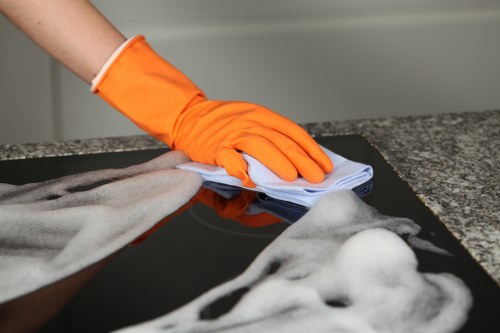
Oven cleaning is often viewed as a cosmetic task, but it has a bigger impact on your kitchen than many people realize. Grease splatter and food residue can bake onto interior surfaces, creating smoke, unpleasant odors, and even affecting the taste of your food. A dirty oven may also make it harder to maintain consistent heat, which can influence the quality of your cooking and baking.
When residue builds up inside the oven, it can char repeatedly during each use. That buildup can eventually become difficult to remove with basic wiping. In some cases, the appliance may require deep oven cleaning to eliminate thick layers of grime. Taking care of small spills early prevents them from hardening and saves you time later.
There is also a safety aspect to consider. Excess grease in an oven can create smoke during high-temperature cooking. While this does not mean every dirty oven is dangerous, it does mean that regular maintenance is a wise habit. Clean ovens are easier to use, easier to maintain, and generally more reliable over the long term.
Common signs your oven needs cleaning
- Visible grease or brown buildup on interior surfaces
- Strong burnt smells during preheating or cooking
- Smoke coming from the oven when food is inside
- Uneven cooking results or inconsistent heat
- Sticky racks, glass, or tray surfaces
Preparing for Oven Cleaning the Right Way
Before starting oven cleaning, preparation is essential. The first step is to turn the oven off completely and let it cool down. Cleaning a hot appliance is unsafe and can make cleaning products evaporate too quickly. Once the oven is cool, remove all racks, trays, and loose accessories so you can reach every surface.
It is also a good idea to open windows or turn on kitchen ventilation, especially if you plan to use a commercial degreaser. Even natural oven cleaning methods can create odors while working on stubborn residue. Protect nearby counters and floors with old towels or newspaper if you are worried about drips.
Gather the tools you need before beginning. This may include gloves, a non-scratch sponge, microfiber cloths, a scraper designed for appliances, a spray bottle, and a bucket of warm water. Having everything ready makes oven cleaning smoother and helps you avoid interruptions once you begin.
Useful tools and supplies
- Rubber or nitrile gloves
- Microfiber cloths
- Soft sponge or non-abrasive scrub pad
- Plastic or silicone scraper
- Baking soda and vinegar, if using a natural method
- Commercial oven cleaner, if preferred
- Warm water and mild dish soap
Natural Oven Cleaning Methods That Work
Many homeowners prefer natural oven cleaning because it avoids harsh chemicals and strong fumes. One of the most common approaches is a baking soda paste. Mix baking soda with a small amount of water until it forms a spreadable consistency. Apply it to greasy areas, avoiding heating elements and vents, and let it sit for several hours or overnight. The paste helps loosen buildup so it can be wiped away more easily.
After the paste has had time to work, spray vinegar lightly over the treated areas. The reaction helps lift residue and makes wiping simpler. Use a damp cloth or sponge to remove the softened grime, then repeat as needed. For heavy stains, you may need to use a plastic scraper carefully to lift carbonized spots without scratching the surface.
This method is popular because it is affordable and widely accessible. It can be especially useful for people who do oven cleaning regularly and want to prevent buildup from becoming too severe. While it may take longer than a strong chemical cleaner, the results can be very satisfying when used consistently.
Tips for natural cleaning success
- Apply the paste thickly to stubborn areas
- Give the mixture enough time to loosen residue
- Avoid metal scrapers that may damage surfaces
- Repeat the process if the first round does not fully remove buildup
Using Commercial Products for Tough Oven Cleaning Jobs
Sometimes natural methods are not enough, especially when the oven has not been cleaned in a long time. In those cases, a commercial oven cleaner can make the job easier. These products are designed to break down baked-on grease and carbon quickly. If you choose this route, always read the label carefully and follow the instructions exactly.
Proper ventilation is important when using chemical cleaners. Open windows and run the extractor fan if available. Gloves are strongly recommended because these products can irritate skin. Never mix oven cleaner with other cleaning agents, especially bleach or ammonia, since dangerous fumes may be produced. Safety should always come first in any oven cleaning project.
Commercial products usually work best when sprayed or applied evenly to the dirty areas and left for the recommended amount of time. Afterward, you can wipe away softened residue and rinse the surfaces thoroughly. If needed, repeat the treatment on very stubborn patches. Many people use this method for deep oven cleaning when the appliance has heavy buildup or grease layers that need more aggressive treatment.
When commercial cleaners may be useful
- Extensive baked-on grease on oven walls or floor
- Large spillovers from casseroles or roasting dishes
- Long periods without maintenance cleaning
- Ovens that smoke heavily during use
Even when using strong products, the best approach is to avoid overusing them. Frequent light cleaning is usually easier than occasional intense scrubbing. That is why a sensible oven cleaning routine can save both time and effort in the long run. Once you have restored the interior, maintaining it is much simpler than starting from scratch each time.
Another useful habit is to check your oven after messy cooking sessions. If sauce spills or fat splashes onto the interior, wipe it up once the appliance has cooled. This small step prevents residue from hardening and makes future oven cleaning much faster. Over time, these small habits can make a huge difference in appearance and performance.
It is also worth paying attention to the oven door glass, which often collects splashes and stains. A dirty window can make it hard to monitor cooking progress. Use a suitable cleaner and soft cloth to remove greasy film without scratching the surface. Keeping the glass clear is a simple way to improve the overall look of the appliance and support better oven cleaning results.
How to Clean Oven Racks, Trays, and Accessories

Oven cleaning does not end with the interior cavity. Racks, baking trays, and other removable parts also collect grease and residue. These items often need soaking because the grime can be thick and sticky. A sink, tub, or large basin filled with warm water and dish soap can help loosen buildup before scrubbing.
For tougher residue, add baking soda to the soaking water or apply a paste directly to the affected areas. Allow the pieces to sit for a while, then scrub with a non-abrasive pad. Avoid using tools that may damage the metal finish. If parts are heavily charred, you may need to repeat the soaking process more than once.
Cleaning these components separately gives you a more thorough result. It also helps reduce odors the next time you use the oven. When racks and trays are clean, they slide more smoothly and look much better. This is one of the easiest ways to make oven cleaning feel complete rather than partial.
Best practices for racks and trays
- Remove loose crumbs before soaking
- Use warm, not boiling, water for most finishes
- Avoid abrasive pads on coated surfaces
- Dry thoroughly before placing parts back inside
Oven Cleaning Mistakes to Avoid
Even with the best intentions, people sometimes make mistakes during oven cleaning that can cause damage or extra work. One common mistake is using overly harsh tools on delicate surfaces. Scraping with metal utensils or aggressive pads can scratch enamel or glass and create long-term issues. Gentle tools are usually safer and just as effective when used properly.
Another mistake is applying cleaner to heating elements, fans, or seals unless the product label specifically says it is safe. Some areas require extra caution. The same applies to using too much water, which can seep into sensitive parts of the appliance. Controlled application is one of the secrets to effective oven cleaning without unnecessary risk.
Rushing is also a problem. Oven cleaning often works best when products have enough time to soften residue. If you wipe too soon, you may only remove the top layer and leave the rest behind. Patience usually produces a better result and can reduce the amount of scrubbing needed later.
Common mistakes
- Using metal blades on glass or enamel
- Skipping ventilation when using chemical cleaners
- Cleaning a warm or hot oven
- Neglecting racks, knobs, and door seals
- Not wiping away cleaner residue thoroughly
How Often Should You Clean Your Oven?
The ideal oven cleaning schedule depends on how often you cook and what you prepare. If you frequently roast meats, bake casseroles, or cook dishes that bubble over, you may need more frequent cleaning. For many households, a quick wipe-down after messy meals and a deeper cleaning every few months is a practical routine.
People who use the oven daily may want to inspect it weekly for spills and crumbs. Those who use it less often can still benefit from periodic maintenance. A little attention now and then prevents buildup from becoming a major project. In general, the best oven cleaning schedule is the one you can realistically maintain.
If you notice smoking, odors, or repeated spills, it is time to clean sooner rather than later. Waiting too long can make residue harder to remove. By acting early, you preserve the appearance of your oven and reduce the effort needed during each cleaning session.
Keeping Your Oven Cleaner for Longer
Once your oven is spotless, a few simple habits can help keep it that way. Use oven-safe trays with raised edges to catch drips. Place foil or protective liners only if they are approved by the manufacturer, since improper use can block airflow or trap heat. Cover dishes that are likely to splatter, and clean spills once the oven has cooled.
Regular maintenance is the easiest way to reduce deep oven cleaning sessions. Wipe the door glass, control panel, and handles as part of your kitchen routine. Small messes are much easier to remove before they harden. If you stay consistent, the oven will remain cleaner, smell better, and function more efficiently.
It is also useful to schedule a quick interior check after holiday cooking, large family meals, or baking projects. Those occasions often lead to the biggest messes. Addressing them promptly prevents heavy grease buildup. That means less scrubbing next time and better long-term results from your oven cleaning habits.
Simple maintenance habits
- Wipe spills after the appliance has cooled
- Check for crumbs and burnt spots regularly
- Clean racks before buildup becomes severe
- Ventilate the kitchen during heavy cooking
- Use cookware that limits splatter
Why Professional Oven Cleaning Can Be Worth It
While many homeowners handle oven cleaning themselves, professional services can be valuable in some situations. If the buildup is extremely heavy, if the oven has delicate components, or if you simply do not have time, a professional cleaner may be the more practical option. Professionals often have specialized tools and products that remove stubborn residue efficiently.
Professional oven cleaning can also be helpful for ovens that are used heavily in busy households or rental properties. The process may restore the appliance more quickly than a DIY approach, especially when grease has accumulated for a long time. For many people, the convenience and thoroughness are worth considering.
That said, regular light maintenance still matters even if you use professional services occasionally. The most effective strategy is often a combination of routine upkeep and periodic deep cleaning. This balance supports a fresher kitchen and a better-performing appliance over time.
Final Thoughts on Oven Cleaning
Oven cleaning is one of the most valuable maintenance tasks you can do in your kitchen. It improves the look of your appliance, reduces smoke and odors, and helps you cook with more confidence. Whether you choose a natural paste, a store-bought cleaner, or a professional service, the key is consistency. A little effort now prevents much bigger problems later.
If your oven has been ignored for a while, now is the perfect time to make a fresh start. Begin with the racks, tackle the interior, and keep up with small spills before they turn into stubborn buildup. With the right routine, oven cleaning becomes less of a chore and more of a simple habit that protects your home and your cooking.
Book your service now if you want expert help restoring your appliance, or take the first step today with a thorough cleaning session at home. Either way, your kitchen will feel cleaner, smell better, and work more efficiently when the oven is properly maintained. Contact us today to move from buildup to brilliance and enjoy a fresher cooking space.