Insurance and Safety
 A strong insurance and safety approach is essential for any organisation that wants to protect people, property, and operations. It combines practical workplace precautions with the right cover in place, helping to reduce disruption if something goes wrong. From public liability insurance to day-to-day safety controls, the aim is simple: manage risk responsibly and create a safer environment for everyone involved.
Good protection starts with understanding how incidents happen and where exposure exists. This includes looking at the tasks being carried out, the environment in which they are performed, and the equipment being used. When a business treats insurance and safety management as an ongoing priority rather than a one-time task, it is better prepared to prevent claims, avoid accidents, and respond effectively if an issue arises.
Public liability insurance is a key part of that protection. It is designed to help cover costs if a third party suffers injury or property damage because of your business activities. Whether a visitor slips on a wet floor, a contractor’s equipment causes damage, or a service creates an accidental loss, public liability cover can help reduce the financial impact while supporting a more secure operation.
 Alongside insurance, staff training plays a major role in day-to-day safety. Employees need to know how to carry out tasks correctly, how to recognise hazards, and how to react in an emergency. Effective training should be role-specific, regularly refreshed, and recorded so that the organisation can demonstrate competence. A well-trained team is more likely to follow safe systems of work and less likely to make avoidable mistakes.
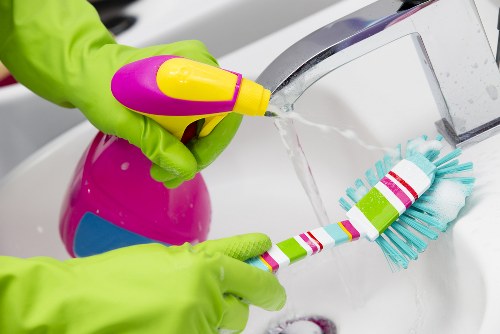
Training should also cover the correct use of personal protective equipment, or PPE. Depending on the job, this may include gloves, helmets, eye protection, high-visibility clothing, hearing protection, or safety footwear. PPE is not a substitute for controlling hazards at the source, but it provides an important final barrier when risks cannot be eliminated completely. Businesses should ensure that protective gear fits properly, is suitable for the task, and is maintained in good condition.
 A robust risk assessment process brings all of these elements together. It begins by identifying hazards, then evaluating who may be harmed and how serious the harm could be. The next step is deciding on control measures, such as improved procedures, safer equipment, signage, supervision, or PPE. Risk assessment should be practical, proportionate, and updated whenever work changes, new equipment is introduced, or an incident highlights a weakness.
In practice, an effective insurance and safety strategy is about more than compliance. It is about building resilience. If an incident does occur, the business should be able to show that it had sensible precautions in place, that staff were trained, and that the risks had been properly considered. This approach can help minimise disruption and support faster recovery after an unexpected event.
Housekeeping also matters. Clear walkways, tidy storage areas, regular equipment checks, and prompt spill cleanup can prevent many common accidents before they happen. These simple habits reduce the likelihood of claims and support the wider safety culture. When combined with adequate public liability insurance, they create a stronger overall protection framework.
The most effective organisations review their controls regularly. They monitor incidents, examine near misses, and update procedures where needed. This allows workplace safety measures and insurance arrangements to remain aligned with actual risks. By treating protection as an active process, businesses can keep improving standards while demonstrating care, responsibility, and professionalism.
 Another important consideration is communication. Safety rules, emergency arrangements, and equipment instructions should be easy to understand and accessible to all staff. Clear communication reduces confusion and helps people respond correctly under pressure. It also supports consistency, ensuring that standards do not vary from one team or location to another.
For higher-risk activities, supervision and permit systems may be needed. These measures provide extra control when tasks involve machinery, working at height, hazardous substances, or public interaction. In those situations, public liability insurance remains valuable because the consequences of an incident can be significant. However, the first priority should always be prevention through sound planning and control.
 Ultimately, insurance and safety work best when they are integrated. Insurance provides financial protection, while training, PPE, and risk assessment reduce the chances of harm in the first place. Together, they help create a safer, more reliable environment for employees, visitors, and the wider public. A proactive approach not only protects against loss but also supports confidence, continuity, and long-term success.