Health and Safety Policy
 This health and safety policy sets out our commitment to maintaining a safe, secure, and well-managed environment for everyone affected by our activities. It reflects a proactive approach to risk reduction, workplace wellbeing, and responsible decision-making. We aim to prevent injury and illness by identifying hazards early, applying practical controls, and encouraging safe habits across all operations.
The purpose of this policy is to define clear expectations, assign responsibilities, and support a culture where safety is treated as a shared priority. Our approach is based on prevention, communication, and continuous improvement. We recognise that effective health and safety management depends not only on procedures, but also on awareness, cooperation, and prompt action when conditions change.
 This policy applies to all staff, managers, contractors, visitors, and anyone else who may be affected by our work. It covers routine tasks, non-routine activities, movement around the premises, use of equipment, manual handling, emergency arrangements, and the control of hazards that could affect physical or mental wellbeing.
Our Commitments
We are committed to providing and maintaining a working environment that is as safe as reasonably practicable. This includes suitable equipment, safe systems of work, and proper arrangements for training, supervision, and reporting. We will take reasonable steps to reduce exposure to hazards such as slips, trips, falls, poor ergonomics, electrical risks, fire, and unsafe handling practices.
Management responsibility is central to the success of this policy. Leaders are expected to demonstrate safe behaviour, allocate appropriate resources, and respond quickly to concerns. They must ensure that risks are assessed, controls are in place, and corrective actions are monitored until completion. Safety performance should be reviewed regularly so that improvements can be made in a structured and consistent way.
 Employees and others are expected to take reasonable care of their own health and safety and that of anyone who may be affected by their actions. This includes following instructions, using equipment correctly, wearing protective items where required, and reporting hazards, incidents, or near misses without delay. A strong safety culture depends on open communication and active participation from everyone.
Risk Management and Safe Practices
Risk assessment is an essential part of this policy. Before work begins, we will identify foreseeable hazards, consider who may be harmed, and decide whether existing controls are adequate. Where necessary, additional measures will be introduced to reduce risk to an acceptable level. These measures may include training, physical safeguards, restricted access, maintenance schedules, signage, supervision, or changes to working methods.
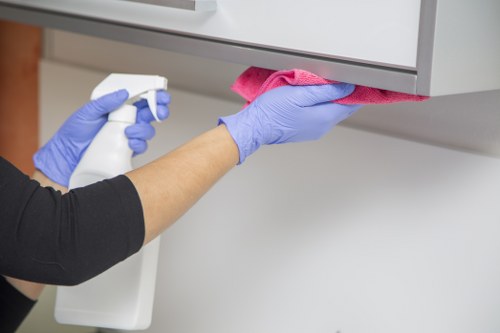
Safe practices must be embedded into daily activity. We expect work areas to be kept orderly, equipment to be used only by authorised and trained persons, and unsafe shortcuts to be avoided. Good housekeeping is particularly important because it reduces many common hazards and supports efficient operations. Any defective equipment or damaged infrastructure should be removed from use or clearly isolated until it has been checked and repaired.
Special attention will be given to tasks that involve higher levels of risk, such as moving heavy items, using tools or machinery, working at height, dealing with hazardous substances, or operating in isolated areas. In such cases, extra controls, enhanced supervision, or additional authorisation may be necessary. The aim is to ensure that safety standards remain consistent even when conditions are less predictable.
Training, Emergency Response, and Wellbeing
We will provide appropriate instruction and training so that people understand the risks associated with their work and know how to carry out tasks safely. Training will be refreshed when duties change, new equipment is introduced, or incidents indicate that more support is needed. We will also promote awareness of wellbeing, fatigue, stress, and the importance of reporting issues before they escalate.
Emergency arrangements will be maintained and communicated clearly. These arrangements may include evacuation procedures, first aid provision, incident escalation, fire precautions, and responses to serious injury or sudden illness. Drills and checks will be carried out where appropriate so that people can act confidently and calmly if an emergency occurs. Preparedness is a key element of an effective occupational health and safety framework.
The organisation will also encourage a respectful environment that supports mental and physical wellbeing. This means addressing workload pressures, preventing harassment or unsafe behaviour, and promoting considerate communication. A healthy workplace is one where people are able to raise concerns early, receive support, and carry out their responsibilities without unnecessary risk.
Monitoring, Reporting, and Review
 Monitoring is necessary to confirm that safety controls remain effective. We will review inspections, incident reports, maintenance records, and feedback from operational teams to identify trends and areas for improvement. Where shortcomings are identified, action will be taken promptly and progress will be tracked until the issue has been resolved.
Reporting is encouraged for all incidents, near misses, unsafe conditions, and instances where a procedure could be improved. Timely reporting helps prevent recurrence and strengthens overall performance. The information gathered will be used constructively to support learning rather than blame, except where deliberate negligence or serious disregard for safety rules has occurred.
The health and safety policy will be reviewed periodically to ensure it remains relevant, practical, and aligned with current operations. Reviews may also take place following a significant incident, major change, or new risk that affects the way work is carried out. Continuous improvement is essential to keeping the policy effective and meaningful.
Responsibilities and Compliance
Everyone has a role in maintaining a safe environment. Managers must lead by example and ensure that controls are applied consistently. Workers must follow safe procedures, use protective measures as instructed, and cooperate with reasonable requests made to protect health and safety. Contractors and visitors are expected to follow site rules and respect any instructions given for their own protection and the protection of others.
Non-compliance with safety requirements may lead to corrective action because unsafe behaviour can place people, property, and operations at risk. However, the primary aim of this policy is prevention through clarity, education, and good management. By working together and keeping safety principles visible in everyday decisions, we can reduce harm and improve overall reliability.
 This policy demonstrates our commitment to a workplace where safety is not treated as a separate task, but as an integral part of how work is planned and carried out. Through shared responsibility, practical controls, and regular review, we will continue to strengthen our health and safety policy and maintain a safer environment for all.