Communal Area Cleaning: Creating Safer, Cleaner Shared Spaces
Why Communal Area Cleaning Matters
Communal area cleaning plays a vital role in keeping shared living and working environments healthy, attractive, and functional. Whether it is an apartment block, housing estate, office complex, school, or mixed-use building, shared areas are used by many people every day. That means dirt builds up quickly, high-touch surfaces get handled constantly, and litter or spills can create both hygiene and safety risks.
When communal area cleaning is done properly, it improves the overall experience for residents, visitors, tenants, and staff. A spotless entrance, a fresh-smelling hallway, and clean stairwells create a positive first impression and help people feel comfortable in the space. In contrast, neglected communal spaces can make even a well-managed property seem unsafe or poorly maintained.
Regular cleaning of shared spaces is not just about appearance. It also supports infection control, reduces wear and tear on surfaces, and helps prevent pest problems. For property managers and landlords, investing in consistent communal area cleaning can also protect the value of the building and support long-term tenant satisfaction.
What Communal Area Cleaning Includes
Communal area cleaning refers to the routine cleaning and maintenance of shared spaces in residential or commercial properties. These areas are often used by multiple people throughout the day, so they need more frequent attention than private rooms or individual units.
Typical communal cleaning tasks may include:
- Sweeping, vacuuming, and mopping floors
- Dusting skirting boards, ledges, and surfaces
- Cleaning and sanitising handrails, switches, door handles, and intercoms
- Wiping down lobby furniture and reception areas
- Removing cobwebs and debris from corners, ceilings, and light fixtures
- Emptying bins and replacing liners
- Cleaning lift interiors, buttons, and mirrors
- Maintaining washrooms, kitchens, and break areas where applicable
- Cleaning windows, glass doors, and entry panels
Depending on the property, communal area cleaning may also include external spaces such as entrances, pathways, car parks, bin stores, and courtyards. These areas often require special attention because they are exposed to weather, dust, and heavier foot traffic.
Common Types of Communal Areas
Not every building has the same shared areas, but most communal area cleaning plans are built around a combination of internal and external spaces. Knowing what needs to be cleaned helps create a practical schedule and ensures no important zone is overlooked.
Common communal spaces include:
- Entrance lobbies and reception areas
- Hallways, corridors, and staircases
- Lifts and lift lobbies
- Shared laundry rooms
- Mail areas and parcel rooms
- Basements and storage areas
- Bin rooms and waste collection points
- Outdoor seating areas, paths, and parking zones
Each of these spaces has different cleaning needs. For example, a lobby may require daily dusting and polishing, while a bin store may need more frequent sanitation to control odours and pests. Effective communal area cleaning depends on matching the cleaning method to the space itself.
Benefits of Professional Communal Area Cleaning
Professional communal area cleaning offers much more than a neat appearance. It provides a practical solution for maintaining standards in buildings that experience steady use. From hygiene to resident satisfaction, the benefits are wide-ranging and long-lasting.
Key benefits include:
- Better hygiene: Regular cleaning reduces germs, bacteria, and unpleasant odours.
- Improved safety: Clean floors and clear walkways reduce the risk of slips, trips, and falls.
- Positive first impressions: Clean communal spaces reflect well on the property and its management.
- Longer surface life: Dirt and grime can damage flooring, paintwork, and fixtures over time.
- Pest control support: Clean waste areas and bin stores help discourage pests.
- Higher occupant satisfaction: Residents and tenants are more likely to feel comfortable and valued.
In busy buildings, in-house cleaning can be difficult to keep up with. A professional service ensures consistent results, proper equipment, and a structured approach. That is why many property managers choose outsourced communal area cleaning for reliable maintenance.
How Often Should Communal Areas Be Cleaned?
The right cleaning frequency depends on how many people use the shared space, the type of property, and the level of foot traffic. A high-traffic apartment building may need daily attention, while a smaller residential block may only require a few visits per week.
Here is a practical way to think about scheduling:
- Daily cleaning: Ideal for entrances, lifts, high-touch points, and busy corridors.
- Several times per week: Suitable for moderate-use stairwells, hallways, and shared facilities.
- Weekly cleaning: Often enough for low-traffic areas, storage spaces, or less-used external zones.
- Periodic deep cleaning: Needed for carpets, floors, windows, and neglected corners.
Seasonal changes can also affect cleaning needs. During rainy months, communal area cleaning may need to include more floor drying and entrance maintenance. In warmer periods, waste areas may need additional sanitation to reduce smells and pest attraction. The best schedule is flexible, responsive, and tailored to the property.
Essential Tasks in a Communal Area Cleaning Routine
A successful communal area cleaning routine should be structured and detailed. Instead of simply making a space look clean, the goal is to keep it consistently fresh, hygienic, and safe.
Daily Tasks
Daily tasks usually focus on visible cleanliness and high-touch hygiene. These are the areas that people notice immediately and interact with most often.
- Vacuum or sweep entrances, corridors, and stairways
- Sanitise handles, switches, buttons, and rails
- Empty bins and remove rubbish
- Spot-clean spills and marks
- Wipe glass doors and mirrors
Weekly Tasks
Weekly cleaning often covers more detailed work that keeps the space looking fresh and well maintained.
- Dust ledges, corners, and fixtures
- Clean lift panels and interior walls
- Polish metal fittings
- Wash floors more thoroughly
- Check for cobwebs, grime, and hidden debris
Monthly or Periodic Tasks
Some tasks are best completed less frequently but still form an essential part of communal area cleaning.
- Deep clean carpets and mats
- Wash windows and exterior glass
- Clean vents and difficult-to-reach areas
- Pressure wash outdoor surfaces when suitable
- Review the condition of waste rooms and storage areas
Health, Hygiene, and Safety in Shared Spaces
One of the strongest reasons to invest in communal area cleaning is the impact it has on health and safety. Shared spaces can easily become hotspots for germs, allergens, and contamination when they are not regularly maintained. This is especially important in buildings where elderly people, children, or individuals with health concerns live or work.
Cleaning high-touch surfaces is particularly important because these areas are touched repeatedly by many different people. Door handles, lift buttons, handrails, and intercoms can carry bacteria if they are not sanitised frequently. Proper cleaning helps lower the risk of cross-contamination and supports a healthier environment overall.
Safety is another major factor. Dust, water, litter, and clutter can all create hazards. A well-managed communal area cleaning plan helps reduce slip risks, keeps emergency exits clear, and makes the property easier to navigate. That is especially valuable in stairwells, basements, and external walkways where lighting or visibility may be limited.
Choosing the Right Cleaning Approach
Different buildings require different cleaning strategies. A small residential block may need a simple weekly schedule, while a large apartment complex or office building may need multiple visits and more specialised equipment. The best communal area cleaning approach should be built around the size of the property, the volume of use, and the expectations of occupants.
Factors to Consider
- Foot traffic: More users mean more frequent cleaning.
- Property type: Residential, commercial, and mixed-use buildings have different needs.
- Surface materials: Carpet, tile, stone, and vinyl each require different techniques.
- Problem areas: Waste rooms, entrances, and lifts often need extra care.
- Resident or tenant expectations: Higher expectations may require more frequent visits.
A tailored approach ensures better results and avoids wasted time on unnecessary tasks. It also helps cleaning teams focus on the areas that matter most. Smart planning leads to better communal area cleaning outcomes.
Tools and Products Used in Communal Area Cleaning
The right tools can make a major difference in the quality and efficiency of cleaning. Professional communal area cleaning usually relies on a mix of standard equipment and specialised products chosen for safety and effectiveness.
Common tools and supplies include:
- Microfibre cloths and mops
- Vacuum cleaners with appropriate attachments
- Floor scrubbers for larger spaces
- Eco-friendly or disinfectant cleaning solutions
- Glass cleaners for doors and windows
- Sanitising sprays and wipes
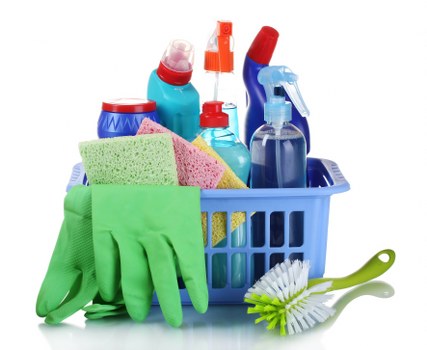
- Bin liners, gloves, and protective gear
Using the right product for the right surface matters. Harsh chemicals can damage materials or leave unsafe residues, while ineffective products may fail to remove grime properly. A professional service understands how to balance cleanliness, safety, and surface care.
Eco-Friendly Communal Area Cleaning
More property owners and managers are looking for environmentally responsible ways to maintain shared spaces. Eco-friendly communal area cleaning reduces environmental impact without sacrificing quality. It can include biodegradable products, reduced water usage, reusable cloths, and better waste handling practices.
This approach is especially appealing in residential buildings where people are conscious of indoor air quality and chemical exposure. Choosing low-odour, non-toxic cleaning products can make communal spaces more pleasant while still maintaining high standards of hygiene.
Other sustainable practices may include:
- Using energy-efficient cleaning equipment
- Reducing single-use plastics
- Separating waste correctly
- Scheduling cleans efficiently to limit unnecessary travel
Eco-friendly communal area cleaning is not just a trend. It is a practical way to support both cleanliness and sustainability in the long term.
Communal Area Cleaning for Residential Buildings
In residential properties, communal areas are part of everyday life. Residents use them to enter and exit the building, collect mail, access storage, and move between floors. Because these spaces are shared, they are a strong reflection of the building’s overall management.
For apartment blocks and housing developments, communal area cleaning should focus on creating a welcoming and safe atmosphere. Clean hallways, fresh staircases, and tidy entry points help residents feel proud of where they live. It also reduces complaints related to odours, litter, and general neglect.
Regular communication between residents and management can help identify recurring issues. If certain areas become dirty quickly, the cleaning schedule may need to be adjusted. Responsive communal area cleaning keeps buildings in better shape and helps maintain harmony among occupants.
Communal Area Cleaning for Commercial Properties
Commercial buildings have their own set of cleaning requirements. Offices, business centres, and mixed-use developments often have a constant flow of employees, clients, delivery staff, and visitors. In these environments, cleanliness affects professionalism, productivity, and workplace well-being.
Commercial communal area cleaning may include lobbies, lifts, washrooms, break rooms, corridors, and shared meeting zones. Because these spaces often represent the business to visitors, they need to remain presentable throughout the day. Clean shared areas can also help reduce absenteeism by limiting the spread of germs in high-contact environments.
For businesses, clean communal areas support better brand perception. A tidy reception or corridor suggests attention to detail and care for employees and guests. That is why many organisations schedule communal area cleaning outside peak hours to maintain a polished look without disrupting operations.
Common Problems and How to Prevent Them
Even with a good cleaning routine, some communal spaces present recurring challenges. Understanding these issues makes it easier to prevent them before they become bigger problems.
Frequent Issues
- Constant littering in entrances or stairwells
- Dirty footprints and mud during wet weather
- Odours from waste areas
- Fingerprints on glass and lifts
- Dust build-up in corners and around fittings
- Stains on carpets or flooring
Prevention often requires a mix of more frequent cleaning, better waste management, and clear communication. In some cases, adding floor mats, improving lighting, or increasing bin capacity can reduce the rate at which spaces get dirty. Effective communal area cleaning is not just reactive; it also anticipates issues and helps stop them from returning.
Why Regular Inspections Matter
Inspection is a crucial part of maintaining high standards in communal area cleaning. Even when a cleaning schedule is in place, regular checks help confirm that tasks are being completed properly and that no new issues have appeared.
Inspections can identify problems such as damaged fixtures, blocked vents, broken bins, leaks, or repeated misuse of shared areas. Catching these issues early can prevent more expensive repairs and reduce frustration for residents or tenants.
Property managers benefit from creating a simple inspection checklist that covers cleanliness, safety, and general condition. This makes it easier to track progress and maintain accountability. It also helps ensure the cleaning plan remains suitable as the property changes over time.
How to Get Better Results from Communal Area Cleaning
If you want better, longer-lasting results, the key is consistency. Shared spaces need regular attention, not occasional effort. A thoughtful schedule, trained cleaners, and clear responsibilities can make a major difference.
Best Practices
- Set a fixed cleaning schedule
- Prioritise high-touch areas
- Use appropriate cleaning products
- Inspect spaces regularly
- Adjust cleaning frequency based on usage
- Keep records of completed tasks
Buildings that take communal area cleaning seriously tend to look better, feel safer, and function more smoothly. Over time, that consistency helps preserve surfaces, prevent complaints, and improve satisfaction for everyone who uses the space.
Final Thoughts on Communal Area Cleaning
Communal area cleaning is an essential part of building maintenance, not an optional extra. Shared spaces are used heavily, and without proper care they can quickly become dirty, unsafe, and unpleasant. A strong cleaning routine protects health, supports safety, improves appearance, and contributes to better long-term property value.
Whether the building is residential or commercial, the right approach should be tailored to the space, the traffic, and the expectations of the people who use it. From everyday dusting and sanitising to periodic deep cleaning, every task plays a role in keeping the environment in good condition.
If your property needs a more reliable cleaning plan, contact us today to discuss your requirements and create a service that suits your communal spaces. Book your service now and keep your shared areas looking clean, welcoming, and professionally maintained.